At Waccamaw Oral Surgery, we take every sore, lump, or lesion in your mouth seriously — because your health and peace of mind matter. Whether you’re noticing a persistent spot or referred by your dentist for evaluation, we provide accurate, compassionate care through comprehensive oral cancer screenings and oral pathology services.
Led by Dr. Lucia Covington, DMD, OMFS, our office is equipped to evaluate, biopsy, and treat a wide range of lesions, using advanced diagnostic tools and years of surgical expertise. Most lesions are harmless — but when they’re not, early detection is critical.
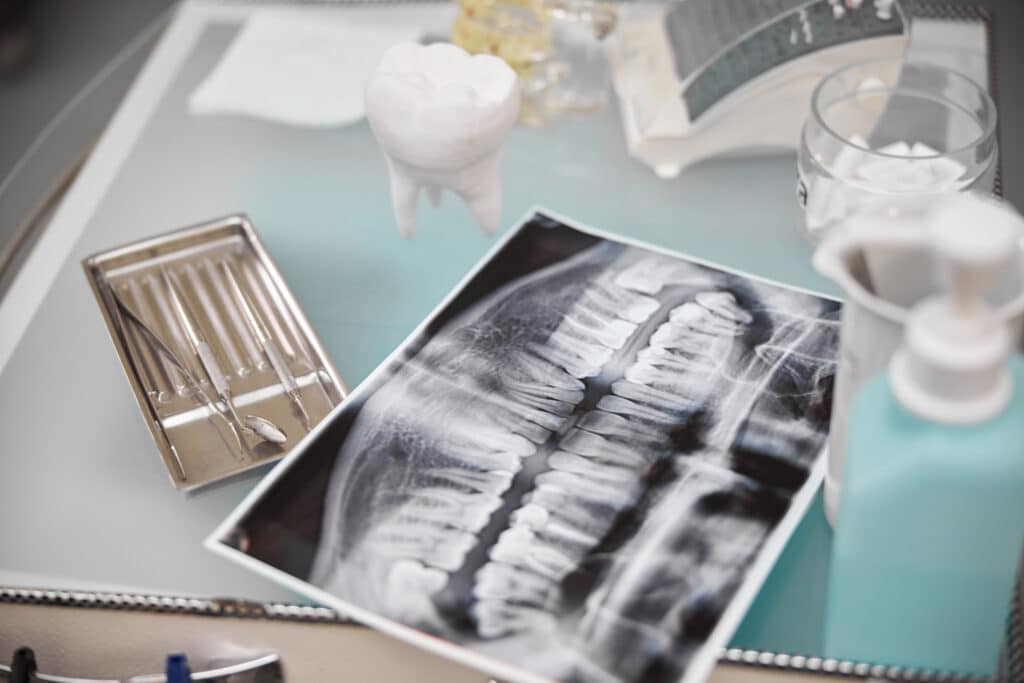
Oral pathology refers to any disease, lesion, or abnormality found in the soft tissues of your mouth, lips, tongue, cheeks, jaw, or throat. While not all lesions are cancerous, they should always be examined by a specialist, especially if they persist for more than two weeks.
At our Murrells Inlet office, we routinely examine and biopsy lesions that appear:
If you’ve noticed anything unusual in your mouth, don’t wait. The earlier we evaluate it, the more options we have for treatment or prevention.
Oral cancer occurs when cells in the mouth mutate and begin growing uncontrollably. Over time, these cells can form tumors and spread to nearby tissues, including lymph nodes, throat, or other organs.
Cancers may develop in the:
Dr. Covington performs detailed evaluations and biopsies to determine whether a lesion is benign, precancerous, or malignant, and to ensure fast, appropriate treatment planning if needed.
Not all sores are cause for concern, but if any of the following symptoms last more than two weeks, schedule an appointment for an exam:
Many of these symptoms can also result from infection or trauma, which is why professional evaluation is so important.
The graphic may be sensitive to some viewers.

While anyone can develop oral cancer, several known risk factors increase your likelihood:
Even without risk factors, it’s possible to develop oral cancer, which is why screenings and awareness are key to early diagnosis.
One of the most important facts about oral cancer is this:
Precancerous cells often form before cancer develops.
These early-stage lesions can look harmless, but with a trained eye and a proper biopsy, Dr. Covington can catch and remove them, preventing cancer from forming.
Routine screenings during your regular dental visits or at the first sign of concern can truly save lives.
If a suspicious lesion is found, Dr. Covington may recommend a biopsy, which involves removing a small tissue sample for analysis. As an oral and maxillofacial surgeon, she performs biopsies with precision and care, typically in one of the following ways:
A small section of tissue is surgically removed for testing.
The entire lesion is removed, especially if it’s small.
A portion of a larger lesion is sampled for lab evaluation.
In most cases, local anesthesia or light sedation is used to ensure your comfort. The procedure is quick, minimally invasive, and typically requires no downtime.
If cancer is diagnosed, we’ll refer you to a specialist for oncology treatment and coordinate with your entire care team for a smooth transition.
If you’ve noticed a sore, lump, or discoloration in your mouth that’s persisted for more than 10–14 days, schedule a consultation today. Not all oral lesions are cancerous, but the ones that are require swift action.
At Waccamaw Oral Surgery, you’ll find a trusted partner in your care, dedicated to protecting your health and ensuring your peace of mind.